How to Maintain Marine Upholstery in Humid Climates


Understanding the Challenges of Humid Climates
Maintaining marine upholstery in humid climates poses unique challenges. The high moisture levels can lead to mold, mildew, and other issues that deteriorate the fabric and foam. Understanding these challenges is the first step in ensuring your upholstery remains in top condition.
Choose the Right Materials
Investing in quality materials is crucial. Opt for marine-grade fabrics that are designed to withstand moisture and UV exposure. Consider using vinyl or treated fabrics that resist mold and mildew. These materials are specifically engineered to endure the harsh conditions of maritime environments.
Benefits of Marine-Grade Fabric
Marine-grade fabrics are not only durable but also resistant to fading and staining. They provide a protective barrier against the elements, ensuring longevity and maintaining the aesthetic appeal of your boat's interior.
Regular Cleaning and Maintenance
Consistent cleaning is vital in humid climates. Regularly wiping down surfaces and vacuuming can prevent dirt and moisture from embedding into the upholstery. Use gentle cleaning solutions that are safe for marine fabrics to avoid damage.
Step-by-Step Cleaning Guide
- Brush off any loose dirt or debris from the surface.
- Mix a mild soap with water and apply it using a soft cloth.
- Rinse with clean water and dry thoroughly to prevent mold growth.
Protective Measures
Applying protective coatings or sprays can add an extra layer of defense against moisture and UV rays. These products help repel water and prevent stains, extending the life of your upholstery.
Cover Up When Not in Use
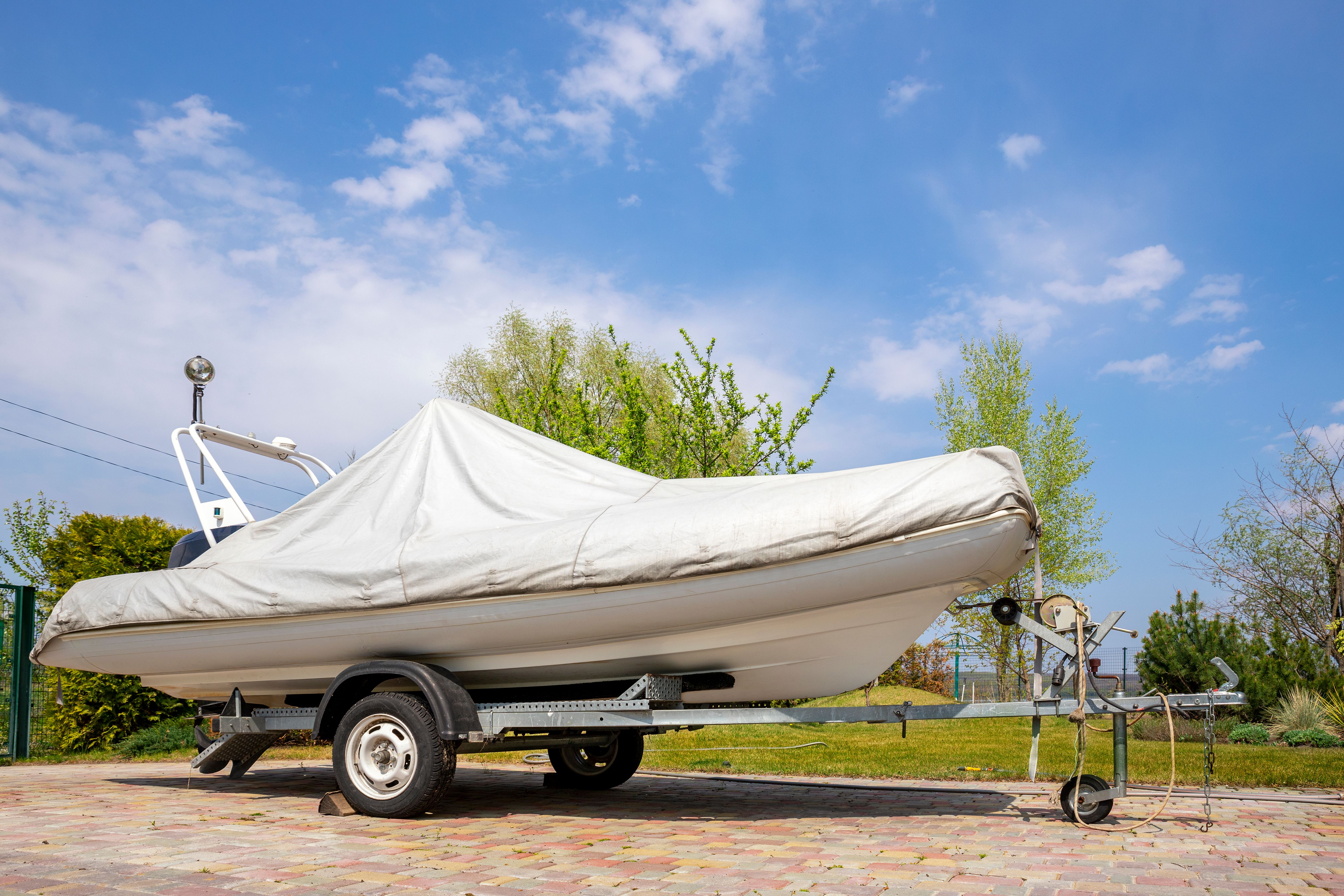
Using covers when your boat is not in use is a simple but effective way to protect your upholstery. Covers shield the interior from direct sunlight and rain, reducing the risk of moisture buildup.
Ensure Proper Ventilation
Proper ventilation is essential in preventing moisture accumulation inside your boat. Ensure that your boat is well-ventilated, especially during storage. Consider installing vents or dehumidifiers to keep the air dry and fresh.
Benefits of Ventilation
Good airflow helps in drying out any residual moisture and reduces the chances of mold and mildew formation, keeping your upholstery in pristine condition.
Regular Inspections
Conduct regular inspections to identify any early signs of wear or damage. Look for discoloration, musty odors, or any visible mold. Early detection allows for timely interventions, preventing more extensive damage.
By following these tips, you can effectively maintain your marine upholstery in humid climates, ensuring it remains durable and beautiful for years to come.